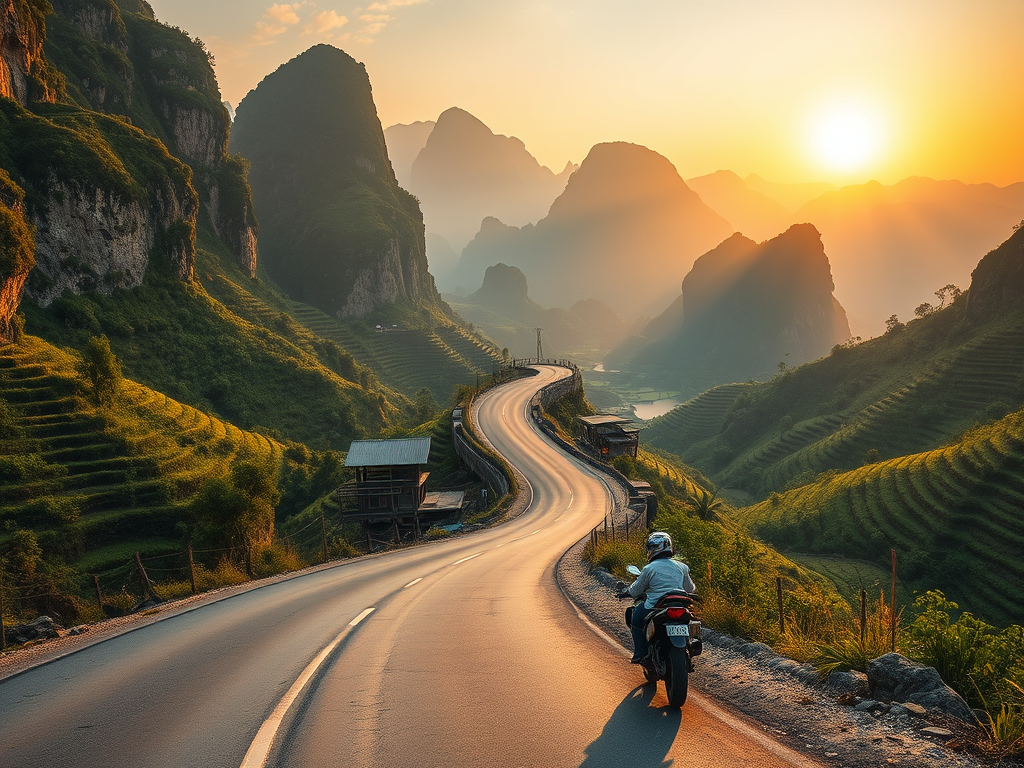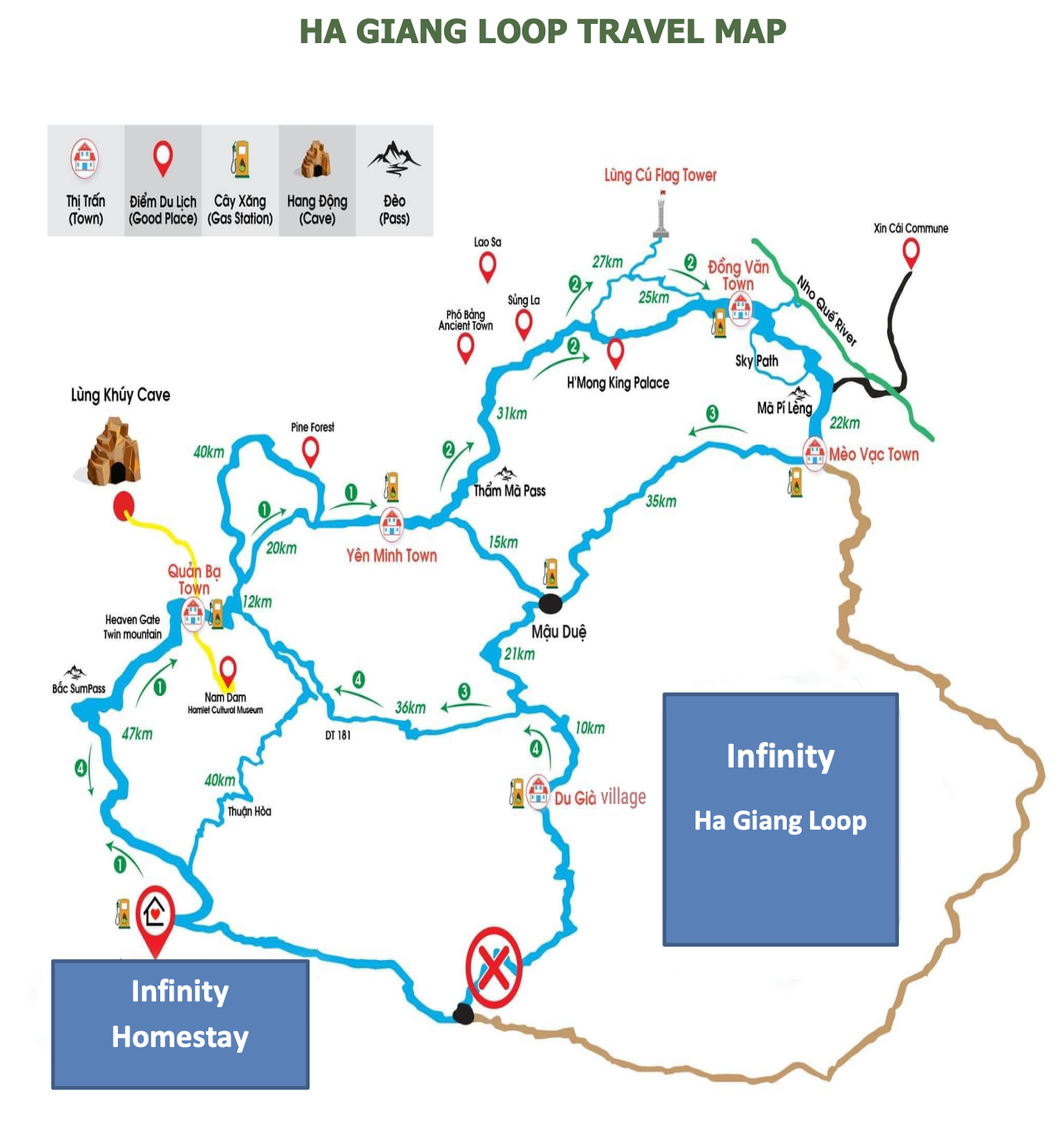

The essential takeaway: Scheduling the loop for October or November offers the safest riding conditions and stunning views of golden rice fields. This prime autumn window avoids dangerous summer monsoons and freezing winter fog, ensuring clear visibility and dry roads. Timing the journey during these specific months remains the key to a successful adventure.
Are you terrified that the notoriously unpredictable ha giang loop weather might turn your dream motorbike adventure into a dangerous, foggy nightmare? This guide delivers the honest, season-by-season breakdown you need to plan your ride perfectly, ensuring you avoid the heavy monsoon rains that often trap unprepared travelers. You will discover exactly which months offer the clearest views and which specific weeks you must avoid to guarantee your safety on Vietnam’s most spectacular road.
🌤️ Ha Giang Weather & Best Time to Visit
🍂 Autumn
October – November
🌡️ 18 – 26 °C
🌧️ Low rainfall
✔️ Most stable and scenic season
🌸 Spring
March – April
🌡️ 15 – 25 °C
🌧️ Light rain
✔️ Great balance between weather and crowds
❄️ Winter
December – January – February
🌡️ 5 – 15 °C
🌫️ Foggy mornings
⚠️ Cold & reduced visibility
☀️ Summer / Monsoon
May – June – July – August – September
🌡️ 25 – 32 °C
🌧️ Heavy rain
❌ Not recommended
- Ha Giang Weather by the Seasons: A Quick Guide
- A Month-by-Month Breakdown for Riders
- Packing Smart: Your All-Weather Ha Giang Kit
- Handling Ha Giang’s Wild Weather: A Rider’s Guide
Ha Giang Weather by the Seasons: A Quick Guide
The Only Weather Chart You’ll Need for the Ha Giang Loop
Ha Giang has a tropical climate with four distinct seasons. The ha giang loop weather dictates everything here, from your safety on winding roads to the scenery you actually see.
Forget complex forecasts. This table is the direct summary you need. It covers the essentials, from average temperatures to the gritty reality of the riding experience.
Bottom line: aim for autumn. If impossible, spring is a solid Plan B. Visiting during the rest of the year demands serious preparation.
| Season | Months | Temp (C°/F°) | Weather Conditions | Rider’s Experience |
|---|---|---|---|---|
| Spring | March – May | 18-28°C / 64-82°F | Less rain, pleasant warmth. | Great visibility, comfortable riding. Good plan B. |
| Summer | June – August | 25-35°C / 77-95°F | Hot, humidity, heavy rainfall. | Challenging. Slippery roads. Best avoided. |
| Autumn | Sept – Nov | 20-30°C / 68-86°F | Dry, clear skies, golden rice. | The absolute best time. Perfect conditions. |
| Winter | Dec – Feb | 10-20°C / 50-68°F | Dry but cold. Morning fog. | For the tough. Requires proper gear. |
The Best and Worst Months: My Straight-up Advice
If you listen to one thing: go in October or November. The weather stabilizes, the skies turn deep blue, and the rice fields glow gold.
If autumn is off the table, March and April are your best alternative. You get stunning blossoms and temperatures that make riding a joy.
Avoid July and August. The heat is suffocating, and torrential rains turn roads into dangerous slides. It is simply not worth the risk.
A Month-by-Month Breakdown for Riders
You have the overview, but let’s see what the ha giang loop weather actually means on the asphalt.
Autumn & Spring: The Prime Riding Windows
September through November offers the driest asphalt you will find. Temperatures sit in that sweet spot for all-day riding without sweating or freezing. It is harvest time, turning the terraces into golden waves. Honestly, this is the peak moment for photography.
March to May sees the air warming up after the chill. The valleys explode with peach blossoms and fresh greenery. It feels like a total renewal, visually distinct from autumn.
- Why these seasons are the best:
- Stable weather with minimal rain means safer roads.
- Comfortable temperatures for long hours.
- The most iconic landscapes (golden rice in autumn, flowers in spring).
- Excellent visibility for enjoying views from passes like Mã Pí Lèng.
Summer: Navigating the Monsoon Challenge
June through August brings the heavy monsoon reality. You must expect daily downpours that are often intense and totally unpredictable. The humidity spikes, making your gear feel sticky and heavy.
Rain turns these winding mountain roads incredibly slippery. The threat of landslides is genuine here, particularly on the steep sections. If you are a beginner, this season is simply too risky.
Winter: The Cold, Clear, and Foggy Reality
From December to February, the rains mostly disappear, which is a huge plus. However, the biting cold cuts deep, especially during early mornings at high altitudes. Temperatures can drop dangerously close to freezing.
Morning fog is a frequent visitor and can be incredibly dense. It often reduces visibility to just a few meters ahead. You have to be ready to delay your start or ride extremely slowly.
Packing Smart: Your All-Weather Ha Giang Kit
Understanding the ha giang loop weather is smart, but having the right gear is what makes the difference between a nightmare and a dream run.
Your Core Gear for Any Season
Some items are non-negotiable, regardless of the month you ride. Your safety and basic comfort always take priority over packing light. You simply cannot compromise on these specific items.
Think of this list as your biker survival kit for the loop. These are the absolute fundamentals you need.
The non-negotiables:
- A quality, well-fitting helmet (don’t rely on cheap rentals).
- A 100% waterproof rain suit (jacket and pants), not just a poncho.
- Sturdy, closed-toe shoes (no sandals).
- reliable phone mount and a power bank.
- Basic first-aid kit.
Trust me on the rain gear quality. Being wet and shivering will ruin your entire day, even if the rain only lasts an hour. It is an investment, not a simple expense. Do not cut corners here.
Seasonal Clothing: Layering is Everything
You must understand the concept of layering for this trip. Temperatures fluctuate wildly in a single day, especially when you hit high altitudes. Layering is your only real solution.
For spring or autumn, stick to versatile light layers. Pack t-shirts, a fleece or sweatshirt, and a windbreaker jacket. You can add or remove them easily as you ride.
For summer and winter, you need to prepare for the extremes. Summer demands breathable fabrics. Winter requires thermal underwear, a thick fleece, and a solid jacket. Don’t forget your gloves and a beanie.
Handling Ha Giang’s Wild Weather: A Rider’s Guide
But even with top-tier gear, the ha giang loop weather can surprise you. Here is how to react when conditions turn ugly.
Rainy Season Survival: Staying Upright on Slick Roads
Cut your speed in half immediately. You must double your safety distance from other vehicles. Brake gently using both front and rear brakes together. Watch out for painted lines because they become as slippery as ice.
Thick mud often accumulates right in the tight corners. Specific sections require maximum focus, especially the steep descents after the Mã Pí Lèng Pass. Losing focus here is simply not an option.
Winter Riding: Beating the Cold and Fog
Never underestimate the mountain cold. The wind chill on a moving bike makes it feel freezing. Quality gloves and neck protection are absolutely essential.
If you cannot see, do not ride. It is better to grab a coffee and wait an hour for the sun. Your life is worth more than your schedule.
When to Stop: Recognizing the Real Risks
There is absolutely no shame in stopping. Your ego is your worst enemy on this loop. Listen to the locals and trust your gut instinct.
Watch for these critical red flags. If you see one, stop immediately.
- Heavy, continuous rain that floods the road.
- Fog so thick you can’t see 20 meters
- Locals are stopping or turning back.
- You’re shivering uncontrollably from the cold.
Mastering the Ha Giang Loop starts with respecting the weather. Whether you choose the golden autumn or the blooming spring, proper preparation is your key to safety. Pack smart, ride cautiously, and embrace the adventure of a lifetime in Vietnam’s majestic north.
FAQ
Is doing the Ha Giang Loop in bad weather actually fun?
Honestly? Not really. While some riders might enjoy the “survival” aspect of battling the elements, heavy rain turns the roads into dangerous mud slicks and thick fog kills the visibility, meaning you miss the stunning views you came for. It becomes a test of endurance rather than an enjoyable ride.
Which month is absolutely the best for the Ha Giang Loop?
October is the undisputed king. You get the perfect combination of dry roads, cool air, and the harvest season turning the rice terraces gold. If you can’t make it then, March and April are fantastic alternatives with blooming flowers and pleasant riding temperatures.
How cold does it really get on the Ha Giang Loop?
It gets colder than most travelers expect, especially in winter (December to February). Temperatures can drop to 5°C (41°F) in the high mountains like Dong Van, and with the wind chill on a moving bike, it feels freezing. Even in the shoulder seasons, mornings and nights require warm layers.
When should I definitely avoid the Ha Giang Loop?
Stay away during the peak monsoon months of July and August. The risk of landslides and flash floods is high, and riding in torrential rain is miserable and dangerous. Winter months like January can also be tough due to thick fog and biting cold, though the roads are at least dry.
What gear should I wear for the Ha Giang Loop?
Layering is your best strategy because the temperature changes constantly with altitude. Bring a thermal base layer, a fleece, and a windproof jacket. Most importantly, invest in a high-quality, separate rain suit (jacket and pants)—cheap plastic ponchos are useless here. Sturdy closed-toe shoes and a good helmet are non-negotiable.